
The retina is a thin, light-sensitive layer of tissue at the back of the eye that functions much like an exceptionally advanced camera sensor. It contains millions of specialized nerve cells that convert incoming light into electrical signals, which travel through the optic nerve to the brain and become the images we see.
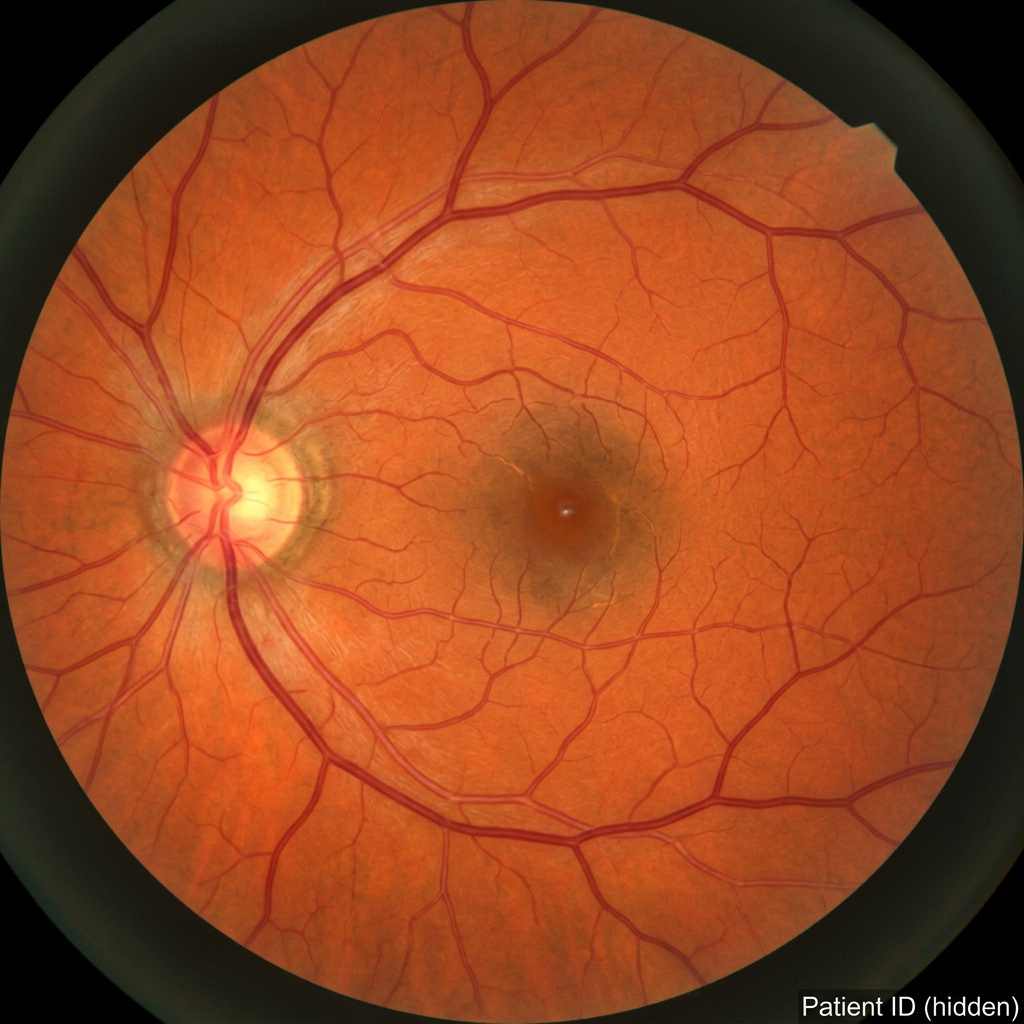
Rather than simply capturing a picture, the retina continuously adjusts to different lighting conditions, detects detail and motion, and helps distinguish colors. It supports everyday activities such as reading small print, identifying faces, and enjoying visual experiences like sunsets.
A small central region of the retina, called the **macula**, is responsible for the sharp, detailed central vision needed for reading, driving, and recognizing faces. Because the macula is so important for daily independence, understanding and protecting retinal health becomes increasingly important with age—especially in relation to age-related macular degeneration.
Learn How To Safely and Naturally Save Your Sight…click here for more info…
