
Keeps the Eye Doctor Away
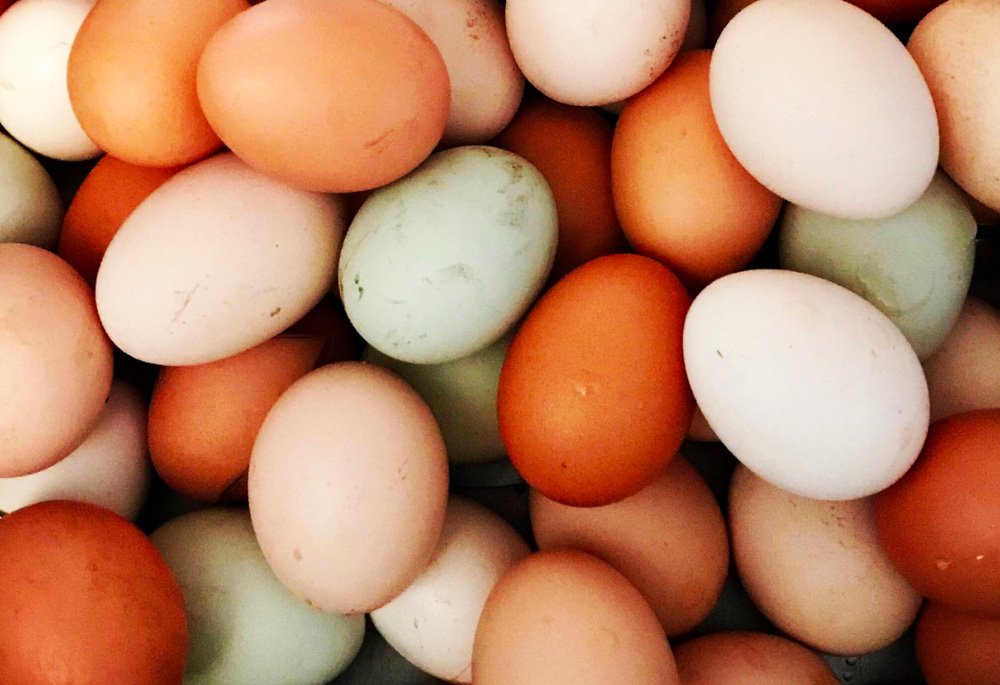
Eggs have had a complicated reputation over the years — but when it comes to eye health, the science is clear: eggs are one of the best foods you can eat.
A Triple Threat for Your Eyes
Eggs deliver three important eye nutrients in a single, convenient package:
- DHA — the omega-3 fatty acid that concentrates in the retina and helps prevent macular degeneration
- Lutein — the carotenoid that protects the macula from damage
- Zeaxanthin — lutein’s partner in defending against cataracts and macular degeneration
In fact, eggs are considered the most readily available dietary source of both lutein and zeaxanthin — meaning your body absorbs them more easily from eggs than from many other foods.
How Many Eggs Should You Eat?
For most people, one egg per day is an excellent addition to an eye-healthy diet. The yolk is where the good stuff lives — lutein, zeaxanthin, DHA, and fat-soluble vitamins are all concentrated there, so don’t skip it.
Important note for diabetics: People with diabetes should check with their doctor before making eggs a daily habit, as individual dietary needs vary.
Why Bioavailability Matters
You can get lutein from spinach and zeaxanthin from orange bell peppers — and you should. But the fat in egg yolks actually helps your body absorb these carotenoids more efficiently. Pairing eggs with other colorful vegetables is a particularly smart strategy.
Easy Ways to Eat More Eggs
- Scramble with spinach and diced bell peppers for a vision-packed breakfast
- Make a simple veggie omelet a few mornings a week
- Hard-boil a batch for easy snacks or salad toppers
- Add a soft-boiled egg to grain bowls or ramen-style soups
- Try shakshuka — eggs poached in a spiced tomato sauce with vegetables
Learn How To Safely and Naturally Save Your Sight…click here for more info…
